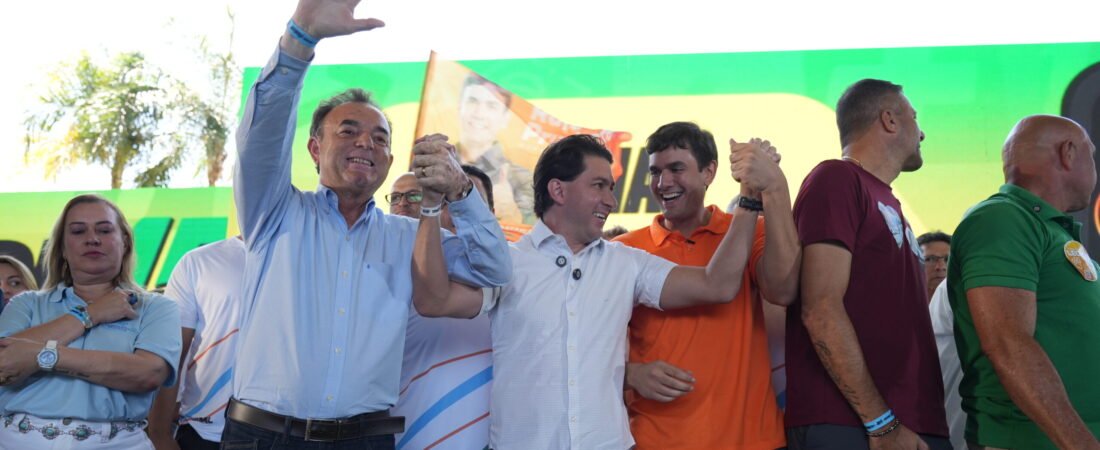
MDB DF mostra sua força na convenção
Se a política do Distrito Federal fosse medida pelo decibel da militância e pelo calor dos abraços, o ginásio do clube ASCADE teria quebrado todos os ponteiros neste fim de semana. Logo cedo, às 8h da manhã, o Quadrado Central já sabia que o dia seria histórico. Uma verdadeira onda de todas as cores invadiu o Setor de Clubes Sul: ônibus vindo de todas as Regiões Administrativas, bandeiras tremulando no alto, camisetas vestidas com orgulho, vuvuzelas e uma batucada ritmada que fazia o chão do ginásio tremer.
Mais de 8 mil pessoas lotaram o espaço para acompanhar a grande Convenção do MDB-DF. Uma demonstração de musculatura política de fazer inveja a qualquer adversário.
Um time de peso no palco das decisões e a emoção do Hino
No palco principal, decorado com as cores da nossa bandeira, o peso-pena não teve vez. O momento mais solene da manhã foi a execução do Hino Nacional Brasileiro, tocado ao vivo com rara beleza e patriotismo por um talentoso saxofonista, que emocionou a todos os presentes e selou a unidade partidária em torno dos ideais de nossa nação.
A nata da política do DF marcou presença. Entre os nomes para a Câmara Legislativa, a disputa de gigantes reuniu figuras conhecidas da população como Wellington Luis, Jaqueline Silva, Iolando, Hermeto, Marcela Passamani, Josy Jacob, Gustavo Aires e, claro, o nosso Cristiano Araújo. Na nominata para a Câmara Federal, a linha de frente veio armada com Rafael Prudente, Washington Coração Valente, Rocha Neto e Zé Humberto, além das presenças marcantes de autoridades da política local, como Tadeu Filippelli, Benício Tavares e Leonardo Prudente.
O prato principal da festa foi o anúncio que consolidou a chapa majoritária: o MDB fechou fileiras e oficializou o apoio total a Celina Leão e Gustavo Rocha para o Governo do DF. Em um discurso inflamado que arrebatou o ginásio, Celina fez questão de exaltar o tamanho e a tradição do MDB, desde Roriz com destaque ao legado e o trabalho transformador de Ibaneis Rocha ao longo de seus dois mandatos no Palácio do Buriti.
O Brilho e a Emoção de Cristiano Araújo
No meio de tantos gigantes, quem caminhou pelos corredores e sentiu o termômetro da arquibancada percebeu o destaque natural de Cristiano Araújo. Reconhecido pelo trabalho brilhante, moderno e dinâmico que realizou à frente da Secretaria de Turismo — colocando Brasília de volta no mapa dos grandes eventos e gerando emprego para a nossa gente —, Cristiano foi recebido sob aplausos calorosos e gritos de apoio da sua animada militância, que se misturava à energia contagiante do carismático mascote da Leoa, símbolo de força e garra na defesa dos interesses da nossa capital.
Ao tomar a palavra, o tom de Cristiano Araújo não foi apenas de discurso político, mas de gratidão e pertencimento. Com a humildade dos grandes líderes, ele fez questão de agradecer diretamente o empenho incansável de sua equipe, dos apoiadores e da militância que não parou de cantar um segundo sequer.
“O MDB não é apenas uma sigla ou um partido político. O MDB é uma grande família! É a família que acolhe, que trabalha unida e que sabe exatamente o que o povo do Distrito Federal precisa para continuar avançando. Vamos pras ruas!”, declarou Cristiano Araújo, sob uma chuva de grito e aplausos.
A Poeira Subiu: A Caminhada Começa Agora
Para toda imprensa que acompanhou tudo de perto, a convenção na ASCADE deixou um recado cristalino nas galerias do DF: o MDB não veio para passeio. Com a chapa fechada, lideranças consolidadas e o nome de Cristiano Araújo pronto para representar a população na Câmara Legislativa, a caminhada ganhará as ruas com a força de um furacão.
O recado foi dado, a festa foi bonita, a militância já está no trecho e a Leoa está rugindo forte. Acompanhe os próximos capítulos aqui no blog, porque a poeira, meus amigos, só está começando a subir!